Species guide
Western Red Cedar: The Complete Species & Application Guide
Thuja plicata — the Pacific Northwest softwood that built a culture and clad a continent.
Meet the species
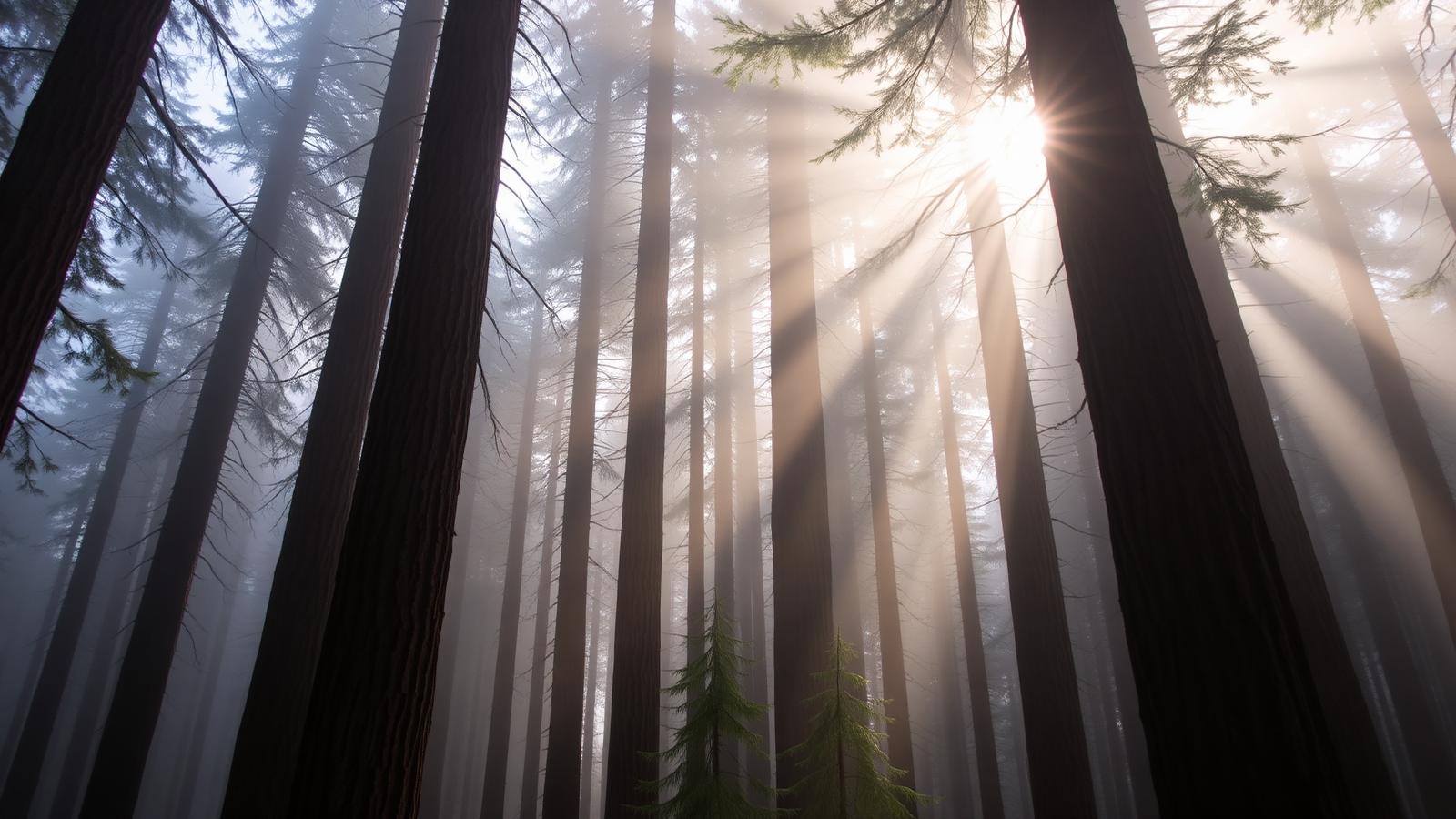
Western Red Cedar (Thuja plicata) grows along the Pacific coast from Northern California up through British Columbia and southern Alaska. It's a true cedar in spirit if not strict botanical classification, and for centuries it has been the wood of choice anywhere shingles, siding, totem poles, or canoes were needed. Coast Salish peoples named it the Tree of Life.
Natural properties
- Natural rot resistance
Cedar's own oils (thujaplicins) repel decay — no chemical treatment required.
- Insect resistance
Same oils deter termites and carpenter ants.
- Weather durability
One of the most durable softwoods available; decades of proven exterior service.
- Light weight
Easy to handle and install — perfect for DIY.
The cedar shingle grading system
Cedar shingles are graded for appearance, not strength. All grades are real Western Red Cedar with the same natural durability — they differ in how much visual character (knots, sapwood, flat grain) appears on the face.
100% heartwood, 100% clear, and 100% edge-grain. The highest quality available. Used for roofs and sidewalls where a flawless appearance and maximum longevity matter most.
Mostly clear with limited defects allowed above the clear portion. Flat grain and some sapwood are permitted. A solid mid-tier choice for general applications, starter courses, or secondary walls.
More character, including knots, sapwood, and flat grain. A reliable, value-focused choice for economy applications and secondary buildings.
Natural character marks throughout. Intended for undercoursing in double-course walls. Ideal for the undercourse layer in double-course walls, utilitarian siding, sheds, dog houses, and rustic outdoor structures.
Why our Number 3 and Number 4 Black Label grades are ideal for siding and DIY: the natural character that costs more on a furniture piece is exactly what gives an accent wall, shed, or siding install its rustic warmth. It's an affordable, beautiful, and distinctive option contractors can offer clients.
Cedar vs. other woods
| Property | Western Red Cedar | Pine | Pressure-treated |
|---|---|---|---|
| Natural rot resistance | Excellent | Poor | Chemical only |
| Insect resistance | Excellent (oils) | Poor | Chemical only |
| Treatment required | None | Yes | Already treated |
| Weathers to | Silver-gray | Gray/decay | Gray |
Sustainability
Western Red Cedar is a renewable resource harvested from managed Pacific Northwest forests. It stores carbon throughout its service life and biodegrades naturally at end of life — unlike composite, vinyl, or synthetic alternatives. Choosing untreated cedar means no chemical leaching, no off-gassing, and a low carbon footprint from forest to wall.
The Tree of Life
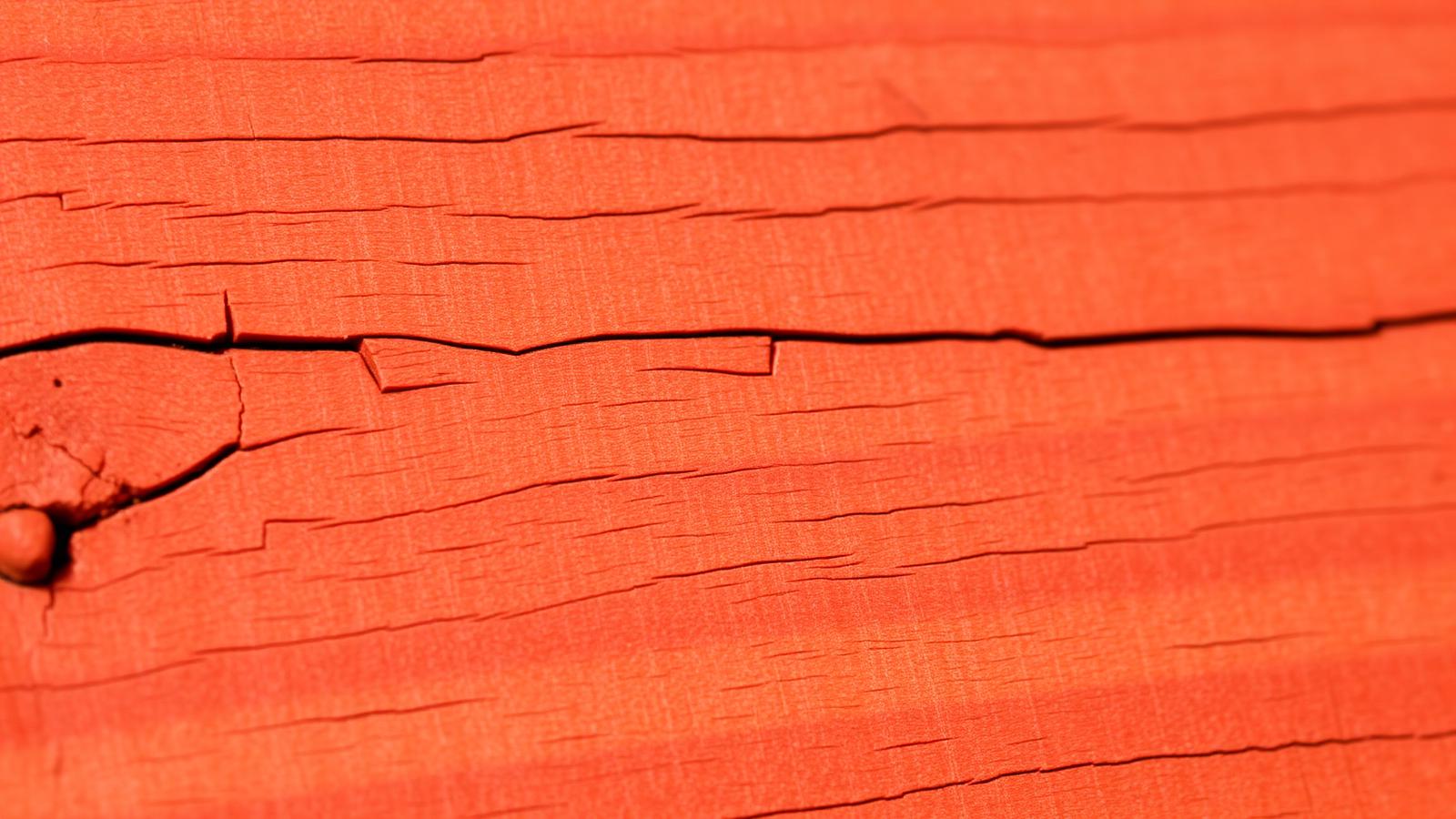
For Northwest coastal peoples — Coast Salish, Haida, Tlingit, Nuu-chah-nulth and others — Western Red Cedar was not just material but kin. Every part of the tree served the community.
Shelter: Longhouse posts, planks, and totem poles were carved from massive cedars that could shelter generations. Tools: Ocean-going canoes, paddles, and bentwood boxes. Clothing: Bark was pounded soft and woven into robes, hats, and capes. Medicine: Bark, leaves, and oils were used for healing and ceremony.
We honor that heritage every time we cut a shingle. Tree of Life.
Shelter
Longhouses, totem poles, lodges.
Tools
Canoes, paddles, hunting implements.
Clothing
Soft woven bark robes and hats.
Medicine
Bark, leaves, and oils for healing.
Bring real cedar into your next project
Item #3976 at Lowe's — natural, untreated, ready to install.